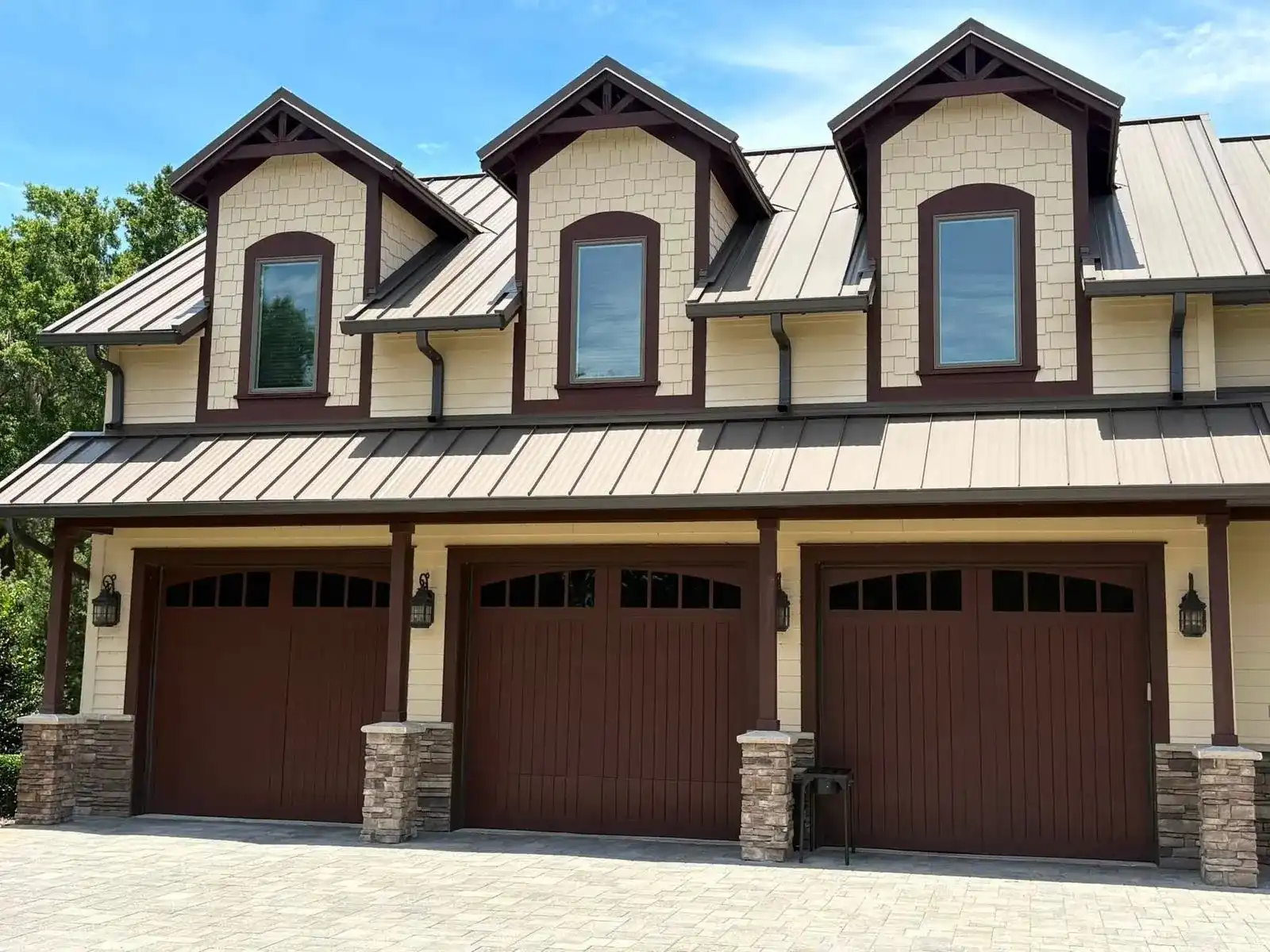
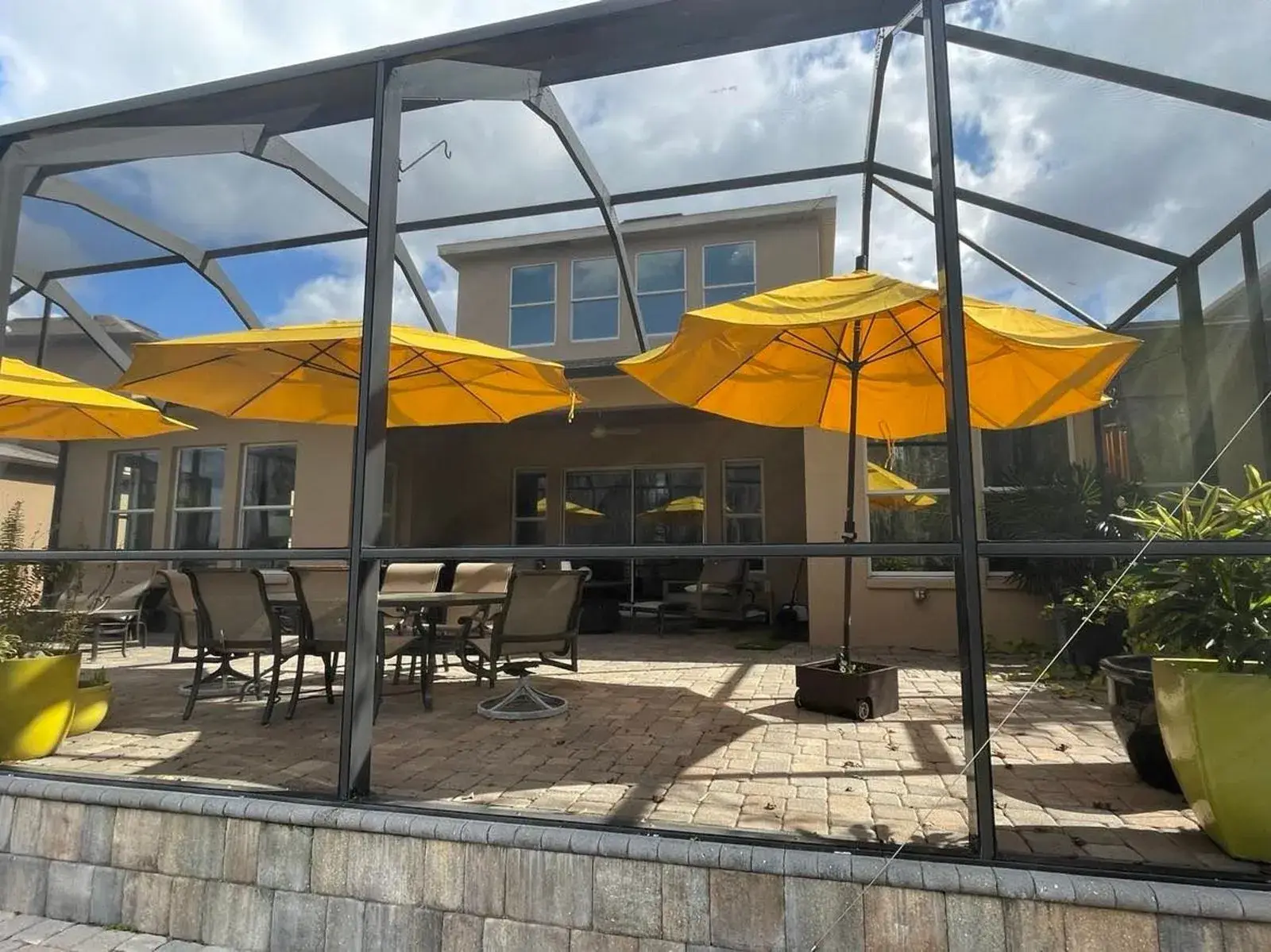
A driveway that has gone dark with mildew, a pool deck that is slick in the shade, a lanai frame streaked with green: every Tampa Bay home gets there eventually. Our humidity, shade and afternoon rain are perfect for mold, mildew and algae, and our sprinklers add rust and mineral stains on top.
Pressure washing brings all of it back. The catch is that "pressure washing" covers a lot of different work. Concrete can take real force. Stucco, screen enclosures, pool deck coatings and painted surfaces cannot. A careful visit uses the right pressure for each surface, and on some surfaces that means very little pressure at all.
Here is what to expect, surface by surface.
Pressure versus soft wash
The two terms get mixed up, so it is worth being clear.
Pressure washing uses high pressure water to strip dirt, mildew and growth from hard, durable surfaces. The work is done by force. The pressure, the nozzle and the distance from the surface all change how aggressive it is.
Soft washing uses low pressure water, about what a garden hose puts out, to apply a cleaning solution that breaks down mildew, algae and grime. The solution does the work, then it is rinsed away. It is the right approach for surfaces that force would damage.
Neither one is better. They are different tools for different jobs, and most homes need a bit of both.
Driveways and walkways
Plain concrete driveways, sidewalks and walkways are the classic pressure washing job. Florida concrete goes gray and black from mildew, especially in shade and along the edges where grass and sprinklers keep it damp.
A good driveway cleaning uses a rotary surface cleaner, a spinning bar under a round hood that holds the nozzles at a fixed height. It cleans evenly and avoids the stripes and swirl marks a hand wand leaves when it is waved across a slab. Edges, cracks and expansion joints get detailed afterward.
What pressure will not fix. Orange rust stains from well water irrigation are iron deposits. Oil spots have soaked into the concrete. Both may lighten under pressure but usually need a specific treatment. If your driveway has a lot of orange staining, look at the sprinkler heads next to it, the same ones that are likely spotting your windows.
Pavers
Paver driveways, walkways and pool decks look great clean, but they need a lighter hand. Too much pressure or too narrow a spray blasts the sand out of the joints and can scar the face of the pavers. With the joint sand gone, weeds and ants move in and the pavers can start to shift.
Careful paver cleaning uses moderate pressure, a surface cleaner where it fits, and attention to the joints. It is normal for pavers to need fresh joint sand after a deep cleaning.
Pool decks and lanais
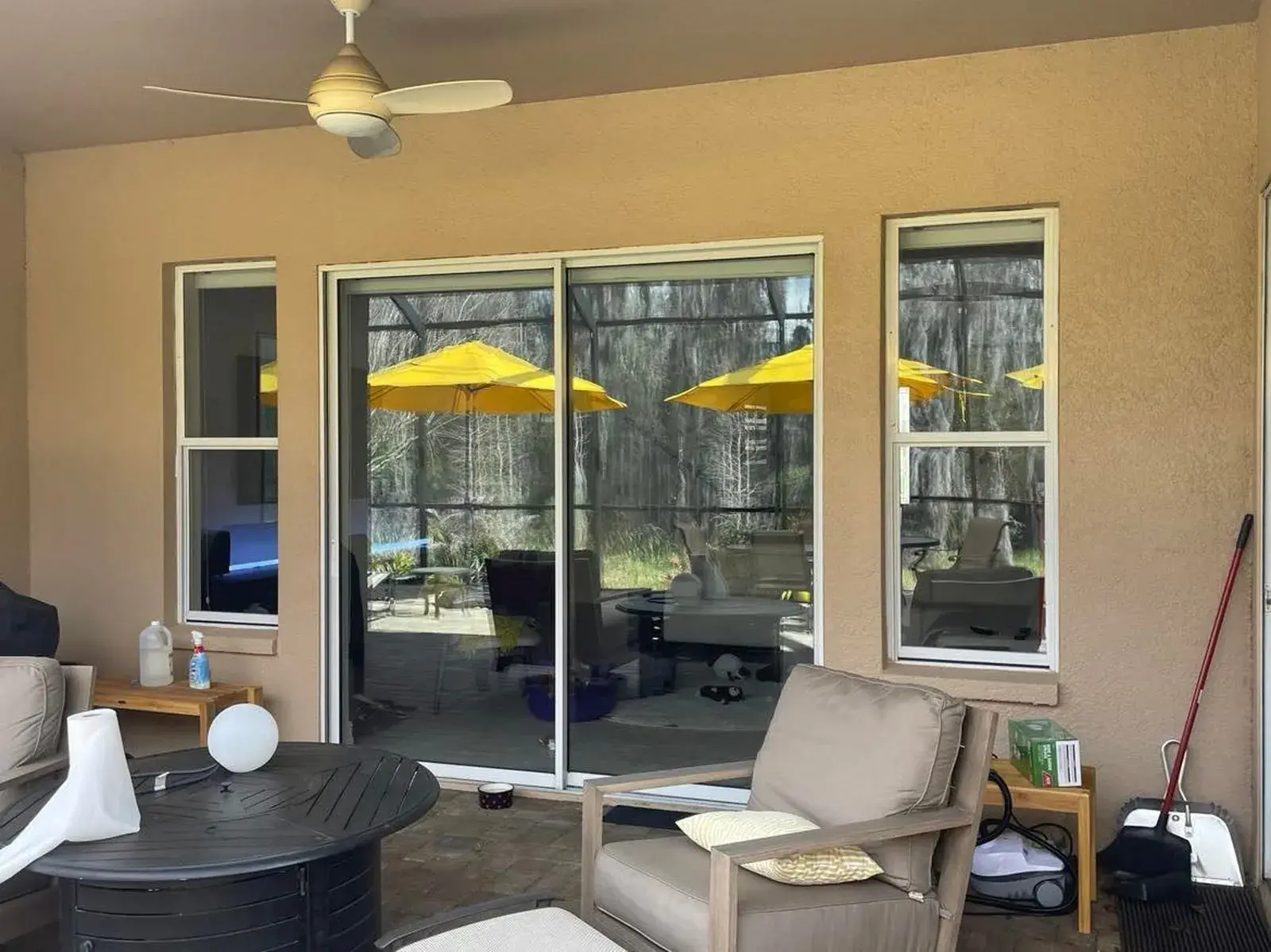
Pool decks and lanai floors come in many finishes: plain concrete, textured spray deck coatings, painted surfaces, pavers and natural stone. Each handles pressure differently.
Textured and painted deck coatings can be chipped or stripped by too much force. Natural stone can be etched by the wrong cleaner. Anything that gets rinsed off a pool deck can run straight into the pool, so the runoff path matters too.
On a lanai or pool deck, expect a careful visit to:
- Move or ask you to move outdoor furniture, grills and planters
- Check the deck surface before choosing the pressure and cleaner
- Keep runoff and cleaning solution out of the pool
- Rinse nearby plants before and after
- Clean the slick, dark areas in shade with extra attention, since that is where slips happen
Pool cages and screen enclosures
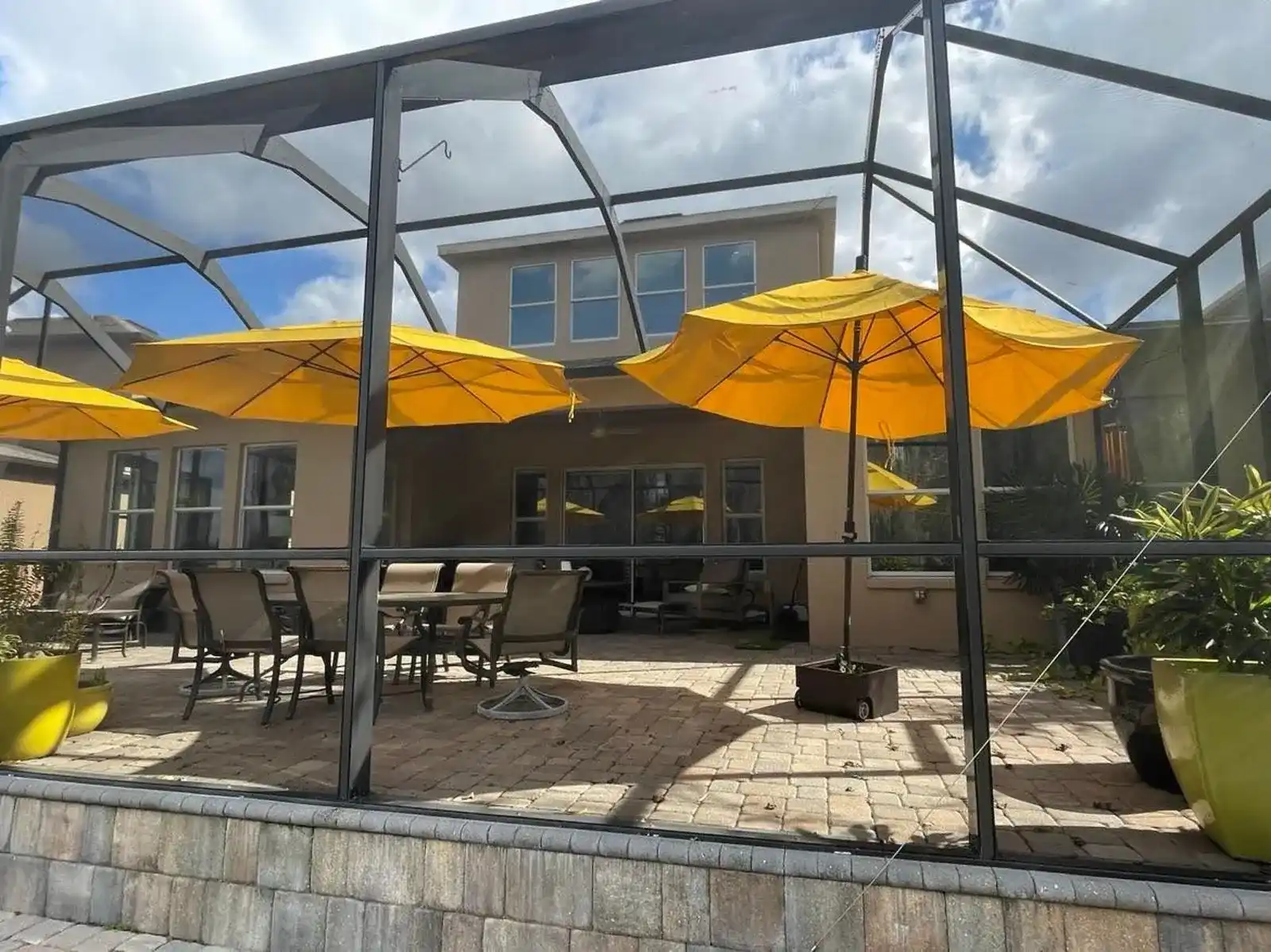
A pool cage is two things at once: an aluminum frame and a lot of screen. The frame collects mildew, pollen and dirt, especially on the shady side and along the top rails. The screens hold dust, cobwebs and lovebugs.
This is not a job for high pressure. Screen enclosure mesh tears easily under a strong stream, and water driven at the edges can loosen the spline that holds the screen in. A pool cage should be cleaned with low pressure and a suitable cleaner, working from top to bottom, and rinsed carefully so nothing ends up in the pool.
If you find tears while the cage is being cleaned, note that enclosure panels are a separate repair from window screens. For the screens in your windows and doors, our guide on whether to repair or replace a torn window screen covers the options.
Stucco walls and painted surfaces
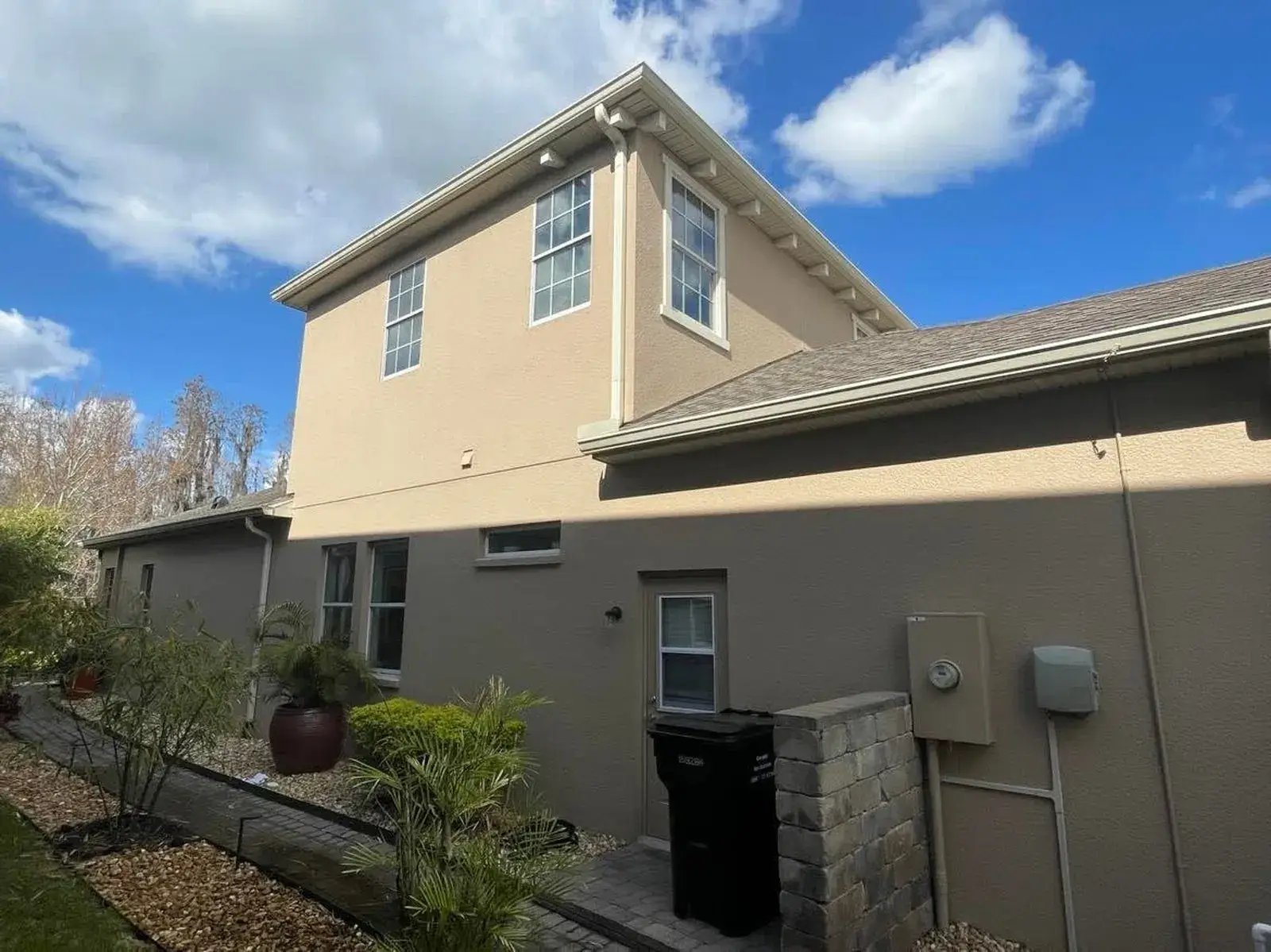
Two-story stucco homes are everywhere around Tampa Bay, and their walls pick up mildew on the shaded sides, dirt splash near the ground and rust streaks where sprinklers hit.
Stucco is porous and painted. High pressure can chip the paint, open hairline cracks and drive water into the wall behind the finish. Stucco walls, painted trim, soffits and fascia should get low pressure and a cleaner that lifts the mildew, then a gentle rinse.
What to expect on the day
Every job is a little different, but most visits follow the same pattern.
- Walkthrough. We look at each surface, point out stains that may not fully come out, and confirm what is being cleaned.
- Prep. Cars are off the driveway, furniture is moved, plants near cleaning areas are wet down, and windows, doors and outlets near the work are closed and protected.
- Cleaning. Each surface gets the pressure and method it can handle, working from higher surfaces down so dirty water does not land on clean areas.
- Detailing and rinse. Edges, corners and joints get attention, and the whole area gets a final rinse, including any plants nearby.
- Final look. We walk it with you so you can see the results before we pack up.
You will need an outdoor spigot we can use and gates unlocked. Pets should stay inside while the work is going on. Our checklist for getting your home ready for a window cleaning visit covers the same prep and works for any exterior service.
Things to keep off the list
A few surfaces should never meet a pressure washer:
- Solar panels. High pressure can damage the glass coating and push water into electrical connections.
- Windows. Pressure can break seals and force water past the frame.
- Pool cage screens and window screens. They tear.
- Anything electrical. Outdoor outlets, light fixtures, pool equipment panels and AC units.
For panels, see our post on whether solar panels in Florida need cleaning, and for glass, our window cleaning service is the right tool.
Get your exterior clean again
Our pressure washing service covers driveways, walkways, pool decks, lanais and exterior surfaces, with the pressure matched to what each surface can take. We serve homes across Pasco, Hillsborough and Pinellas, and you can see the full list of areas we serve. Estimates are free.
Book your pressure washing online or call (813) 444-4499.